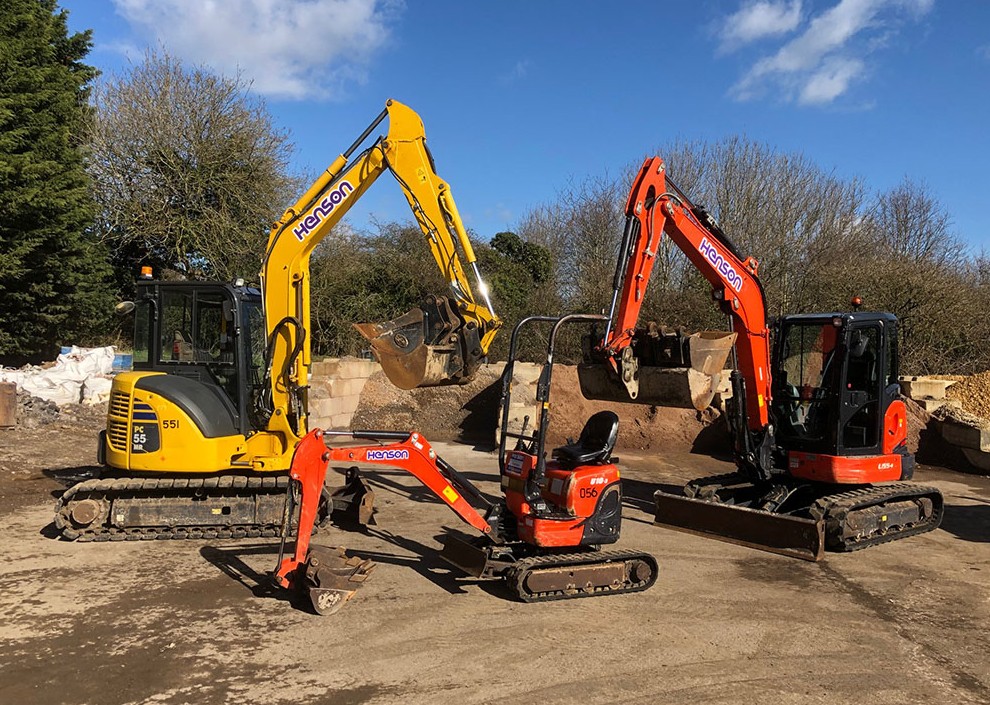
Excavators play an important role in construction, demolition, utility installation, landscaping, and site development projects. However, purchasing heavy machinery is not always practical, especially when equipment is only required for a specific phase of a project. Renting gives contractors access to suitable machinery while maintaining greater flexibility over equipment costs and fleet requirements.
For projects in Baltimore, choosing an excavator involves more than simply finding a machine with enough digging power. Site conditions, project scope, attachments, operating space, transportation, and rental duration should all be evaluated before making a decision.
Understand The Scope Of The Project
Start by clearly defining what the excavator will be expected to accomplish. Excavation requirements can vary significantly between projects. A machine used to dig utility trenches may have different requirements from one being used for demolition, foundation excavation, grading, or large-scale site preparation.
Consider the expected digging depth, volume of material, lifting requirements, and type of work involved. A realistic understanding of the workload helps contractors avoid choosing equipment that is either unnecessarily large or unable to perform efficiently.
Consider The Size Of The Job Site
Baltimore construction sites can range from spacious development areas to restricted urban locations surrounded by buildings, streets, utilities, and pedestrian areas. Available operating space should therefore influence excavator selection.
Compact excavators may be appropriate when maneuverability is a priority. Larger machines can provide additional digging capacity and power for demanding projects, but they require more room for movement and operation.
Contractors searching for Volvo excavators for rent in Baltimore should consider machine dimensions alongside performance specifications. The most powerful excavator is not automatically the most productive choice if it cannot move efficiently around the site.
Evaluate Ground And Site Conditions
Ground conditions affect both productivity and equipment selection. Before renting, assess whether the excavator will operate on firm soil, loose material, mud, slopes, rocky terrain, or previously disturbed ground.
Tracked excavators are commonly used because their undercarriages can provide stability and distribute machine weight across the ground. However, every site presents different challenges. Weather should also be considered because heavy rain can change soil conditions and make previously accessible areas more difficult to navigate.
Identifying these conditions beforehand allows the rental decision to reflect the realities of the job rather than assumptions made before work begins.
Choose The Appropriate Attachments
An excavator becomes considerably more versatile when paired with suitable attachments. Standard buckets work well for many digging applications, but specialized projects may require different bucket sizes or attachments designed for breaking, handling, clearing, or other tasks.
Think about every major task the excavator will perform during the rental period. Using one compatible machine with several attachments may reduce the need to bring multiple pieces of equipment onto the job site.
Attachment compatibility should be confirmed before the rental begins. This avoids delays caused by discovering that an attachment does not match the selected excavator.
Calculate The Rental Period Carefully
Rental duration can influence the overall economics of the project. Contractors should develop a realistic schedule before reserving equipment rather than automatically selecting the shortest possible rental period.
Consider site preparation, operator availability, inspections, weather risks, and coordination with other trades. Renting a machine too early can result in paying for equipment that sits unused. Renting it for too short a period may lead to extensions that disrupt scheduling.
A well-planned rental period ensures the excavator arrives when the site is actually ready for excavation work.
Plan Equipment Transportation
Excavators generally require specialized transportation between the equipment yard and construction site. Contractors should determine how delivery and pickup will be handled before finalizing the rental.
Site access is equally important. Check entrance widths, overhead restrictions, road conditions, staging areas, and unloading space. Urban Baltimore projects may require particularly careful coordination because available space can be limited and nearby traffic may affect equipment movement.
Planning transportation in advance can prevent the excavator from arriving only to encounter access problems.
Confirm Operator Requirements
An excavator’s productivity depends heavily on the person operating it. Contractors should ensure that the assigned operator is appropriately trained and familiar with the size and type of equipment being rented.
Operators should understand the controls, machine limitations, attachment procedures, and job site safety requirements. Before work starts, teams should also identify underground utilities, overhead hazards, restricted areas, and nearby workers or structures. Good preparation supports both efficient operation and safer job site practices.
Review The Equipment Before Work Begins
Before putting a rental excavator into service, conduct a basic inspection. Look at the tracks or undercarriage, hydraulic components, bucket or attachment connections, controls, warning indicators, and visible machine condition.
Any existing damage or operational concerns should be documented and communicated to the rental provider. Contractors should also understand procedures for reporting mechanical problems during the rental period.
Making The Right Rental Decision
Renting an excavator can give Baltimore contractors the flexibility to match equipment directly to project requirements without committing to permanent ownership. The value of that flexibility, however, depends on choosing carefully.
By evaluating project scope, site dimensions, ground conditions, attachments, rental duration, transportation, and operator requirements, contractors can select equipment that fits the work rather than simply choosing based on size or power. Careful planning before the excavator reaches the site can reduce unnecessary downtime, support productivity, and help keep the entire Baltimore project moving according to schedule.