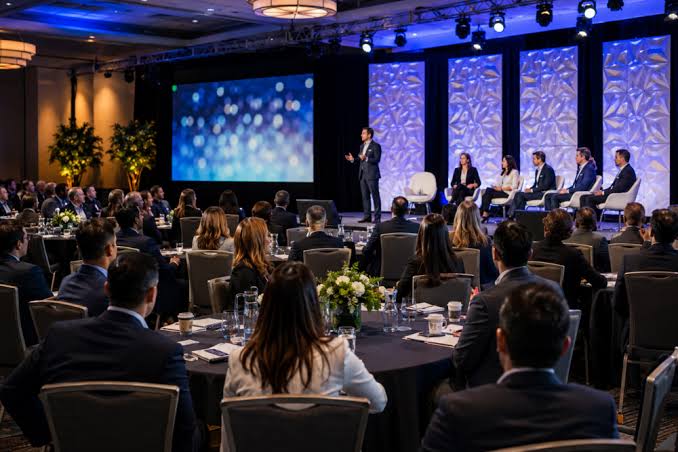
Meetings in hotel conference rooms are no longer the exclusive kind of corporate events. Today, organizations use conferences, product launches, leadership meetings, award ceremonies, training programs, and networking events to communicate ideas, strengthen relationships, and create memorable experiences. As expectations continue to rise, successful execution depends on much more than choosing a venue and preparing a guest list.
Orlando is well suited to hosting corporate gatherings of different sizes, but a strong location alone cannot guarantee success. Professional production expertise helps connect creative ideas with the technical planning required to deliver a polished experience. From audiovisual systems and lighting to staging and on-site coordination, every production element contributes to how attendees experience an event.
Creating Clear And Consistent Communication
Corporate events often involve important presentations. Executives may discuss company strategy, speakers may share industry insights, or teams may demonstrate products and services. If attendees cannot clearly hear or see the content, even an excellent presentation can lose its impact.
Professional audio systems help provide consistent sound throughout a venue. Microphone selection, speaker placement, sound mixing, and acoustic considerations all require careful attention.
Visual communication is equally important. Projection systems, LED displays, presentation screens, graphics, and video content can make complex information easier to understand. Production specialists determine appropriate display sizes and positioning so attendees have a clear view from different areas of the room.
For businesses looking for an experienced event production company in Orlando, technical expertise can be particularly valuable when multiple audiovisual components must operate together throughout a program.
Turning An Event Concept Into A Practical Plan
Most corporate events begin with an objective. A business may want to introduce a new product, educate employees, recognize achievements, connect with customers, or bring industry professionals together. The production strategy should support that objective rather than simply adding technology for visual appeal.
Experienced production professionals can evaluate the event concept and determine what technical resources are required. They consider the venue, audience size, presentation format, stage requirements, speaker needs, content, and overall atmosphere.
This early planning is important because production decisions are interconnected. Stage placement can influence screen visibility, lighting positions can affect camera coverage, and audio requirements may change depending on room configuration. Coordinating these details early reduces the possibility of complications later.
Using Lighting To Shape The Environment
Lighting is sometimes treated as a decorative feature, but it serves both practical and creative purposes. Proper lighting ensures that speakers remain visible while also helping establish the mood of the event.
A leadership conference may benefit from clean and professional stage lighting, while an awards ceremony may require a more dramatic presentation. Product launches can use lighting to direct attention toward displays or key moments.
Lighting must also work effectively with cameras, projection systems, video displays, and venue conditions. Production teams can balance these different requirements while maintaining a consistent visual environment.
Building A Professional Stage Experience
The stage is often the focal point of a corporate event. It may host keynote speakers, panel discussions, demonstrations, entertainment, or award presentations. Consequently, its design should support both functionality and branding.
Professional staging involves more than constructing a platform. Production specialists consider sightlines, speaker movement, screen placement, scenic elements, podium positioning, equipment access, and transitions between different program segments.
A thoughtfully planned stage also supports audience engagement. When attendees can easily follow speakers and visual content, the program feels more organized and accessible.
Managing Technical Details Behind The Scenes
Some of the most important production work happens where attendees never see it. Technical teams monitor audio levels, presentation content, lighting cues, video feeds, microphones, and transitions throughout the event.
Corporate programs often include many moving parts. One speaker may use slides, another may participate remotely, and a panel discussion may require several microphones. Videos, music, graphics, and lighting changes may also need to occur at precise moments.
Detailed show planning allows these elements to work together. Technical rehearsals and equipment checks can identify potential problems before guests arrive. During the program, experienced operators can respond quickly when adjustments are required.
Supporting Hybrid And Technology-Driven Events
Modern corporate events frequently extend beyond the physical venue. Organizations may include remote speakers, virtual attendees, livestreaming, recorded sessions, or interactive digital components.
These formats introduce additional technical considerations. Reliable connectivity, synchronized audio and video, camera positioning, presentation sharing, and remote communication must all work together.
Production expertise helps create a more consistent experience for both in-person and online audiences. Rather than treating virtual participants as an afterthought, organizers can incorporate them into the event strategy from the beginning.
Reducing Pressure On Internal Teams
Planning a corporate event involves managing vendors, speakers, schedules, catering, transportation, registrations, and countless other details. Expecting an internal team to also handle specialized production equipment can create unnecessary pressure.
Working with experienced production professionals allows event organizers to focus on guests, content, and broader objectives while technical specialists manage production responsibilities. Clear communication between organizers, venue staff, presenters, and production teams also helps prevent confusion.
Creating An Experience That Reflects The Brand
A corporate event represents the organization hosting it. Poor sound, awkward transitions, unreadable screens, or inconsistent lighting can distract attendees from the intended message. A polished production, by contrast, reinforces professionalism and attention to detail.
Effective event production brings together technology, creativity, planning, and technical execution. Each element should support the organization’s goals while creating a comfortable and engaging experience for attendees.
Conclusion
Planning a successful corporate event in Orlando requires more than securing an attractive venue and developing a strong agenda. Audio, video, lighting, staging, technical direction, and behind-the-scenes coordination all influence how effectively the event communicates its message.
Production expertise helps transform individual components into one cohesive experience. By considering technical requirements early and coordinating them carefully throughout the planning process, organizations can create corporate events that feel professional, organized, engaging, and aligned with their objectives.