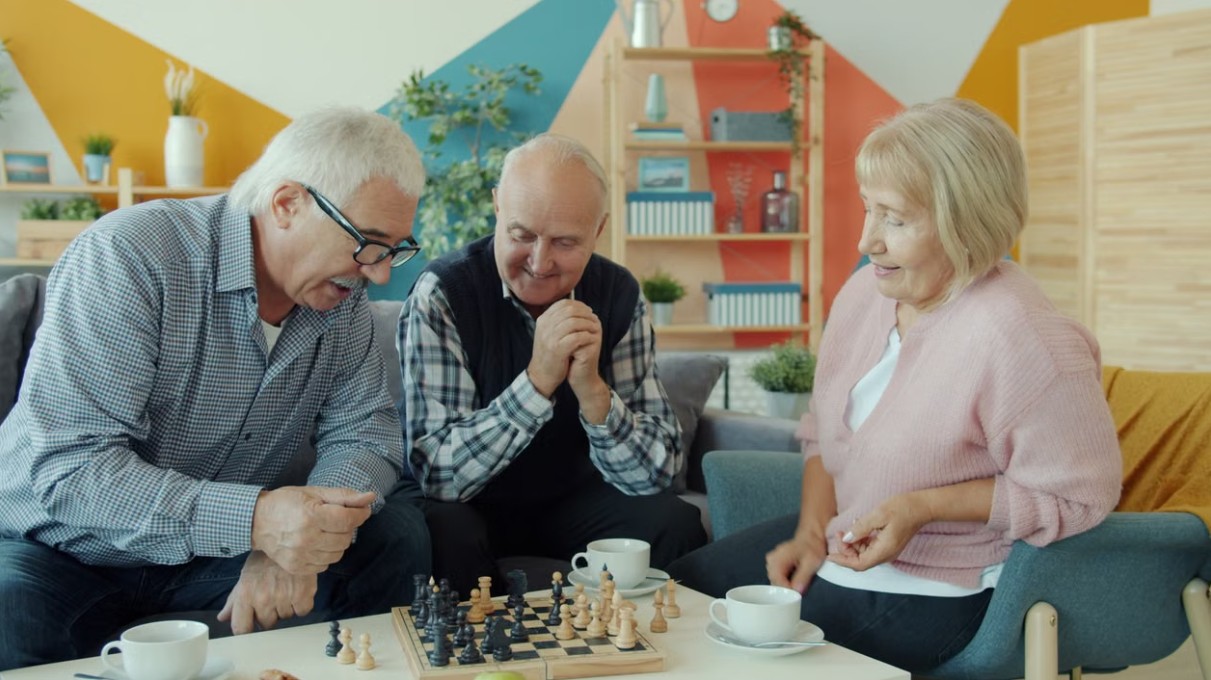
Residential communities thrive when residents receive consistent, responsive, and high-quality services that support their daily needs and overall well-being. Whether the setting is a senior living community, a residential care environment, or a lifestyle-focused housing community, service delivery has a direct impact on resident satisfaction, comfort, and long-term retention. Effective service delivery goes beyond completing routine tasks. It involves creating systems that prioritize communication, efficiency, personalization, and continuous improvement.
As resident expectations continue to evolve, community leaders must regularly evaluate how services are delivered and identify opportunities to strengthen the overall experience. By implementing thoughtful strategies focused on quality, responsiveness, and resident engagement, residential communities can foster stronger relationships and create environments where residents feel valued and supported.
Strengthen Communication Across the Community
One of the most important strategies for improving residential service delivery is establishing strong communication practices. Residents are more likely to feel confident and engaged when they receive timely information about community programs, maintenance updates, dining services, wellness initiatives, and other important matters.
Clear communication helps reduce misunderstandings and promotes transparency. Community staff should be trained to communicate professionally and consistently while encouraging open dialogue with residents and family members. Regular meetings, newsletters, digital communication platforms, and feedback sessions can all contribute to a more informed and connected community.
Communities that prioritize communication also benefit from stronger trust between residents and staff. When concerns are addressed promptly and information is shared clearly, residents often feel more comfortable expressing their needs and participating in community life.
Effective communication creates a foundation for higher service standards and greater resident satisfaction.
Focus on Personalized Resident Experiences
Every resident has unique preferences, interests, and expectations. Residential service delivery becomes more effective when services are tailored to individual needs rather than relying solely on standardized approaches.
Personalization may involve dining preferences, activity participation, wellness goals, social opportunities, or support services that reflect individual lifestyles. Understanding these preferences allows staff members to provide more meaningful and relevant experiences throughout daily interactions.
Many highly regarded communities, including Discovery Village Boynton Beach, emphasize resident-centered approaches that focus on creating personalized experiences and fostering strong relationships. When residents feel understood as individuals, they are often more engaged and satisfied with the services they receive.
Personalized service delivery also helps residents maintain a sense of independence and dignity. Rather than simply meeting operational requirements, communities can focus on enhancing quality of life through thoughtful attention to each resident’s preferences and priorities.
Invest in Staff Training and Professional Development
The quality of resident services is closely connected to the skills and professionalism of the employees providing them. Investing in staff development is one of the most effective ways to improve overall service delivery.
Ongoing training helps team members strengthen communication skills, customer service abilities, problem-solving techniques, and operational knowledge. Employees who understand community standards and resident expectations are often better equipped to provide consistent and high-quality support.
Professional development also contributes to employee engagement and job satisfaction. Staff members who feel supported and valued are more likely to take pride in their work and maintain positive interactions with residents. This can create a more welcoming and responsive community environment.
Training programs should focus not only on technical responsibilities but also on empathy, relationship building, and resident-centered care principles. These skills play a significant role in creating positive daily experiences for residents.
A well-trained workforce strengthens every aspect of service delivery and supports long-term operational success.
Use Resident Feedback to Drive Continuous Improvement
Communities that actively seek resident feedback are often better positioned to identify service improvements and respond to changing needs. Feedback provides valuable insight into what is working well and where adjustments may be needed.
Surveys, resident councils, suggestion programs, and regular one-on-one conversations can help gather meaningful perspectives. The most effective organizations treat feedback as an ongoing resource rather than a periodic exercise.
Listening to residents demonstrates that their opinions are valued. When residents see their suggestions lead to meaningful improvements, they often develop a stronger sense of trust and connection with the community.
Feedback can reveal opportunities to enhance dining programs, activity schedules, transportation services, maintenance response times, and other operational areas. By evaluating trends and addressing recurring concerns, communities can continually refine their service delivery strategies.
Continuous improvement helps ensure that services remain aligned with evolving resident expectations and community goals.
Improve Operational Efficiency and Responsiveness
Efficient operations are essential for delivering consistent services. Delays in maintenance requests, communication breakdowns, scheduling challenges, or administrative inefficiencies can negatively affect the resident experience even when staff members are committed to providing quality support.
Communities should regularly review operational processes to identify opportunities for improvement. Technology solutions, streamlined workflows, and clearly defined responsibilities can help reduce delays and improve overall responsiveness.
Maintenance requests, transportation scheduling, activity registration, and service tracking can often be managed more effectively through organized systems that support timely action. Residents appreciate responsive service because it demonstrates professionalism and respect for their time and concerns.
Efficiency also allows staff members to devote more attention to resident engagement rather than administrative challenges. This balance contributes to a more positive experience across the community.
Well-managed operations support reliability, consistency, and stronger overall service performance.
Foster a Strong Community Culture
Improving residential service delivery involves more than operational excellence. It also requires creating a culture that encourages respect, engagement, and collaboration among residents and staff members.
A positive community culture promotes social interaction, inclusivity, and a sense of belonging. Residents are often more satisfied when they feel connected to the people around them and believe their community values their contributions.
Staff members play an important role in shaping this culture through daily interactions and supportive attitudes. Leaders can reinforce positive behaviors by recognizing excellence, encouraging teamwork, and maintaining a resident-focused mindset throughout the organization.
Community events, wellness programs, volunteer opportunities, and shared activities help strengthen relationships and create a more vibrant environment. These efforts contribute to resident happiness while supporting overall service goals.
A strong culture enhances both the quality and consistency of services by creating an atmosphere where everyone works toward common objectives.
Leverage Data and Performance Metrics
Modern residential communities can improve service delivery by using data to evaluate performance and guide decision-making. Measuring key indicators helps leaders understand operational strengths and identify areas requiring attention.
Metrics may include resident satisfaction scores, maintenance response times, participation rates, occupancy trends, staff retention levels, and service request completion rates. Monitoring these indicators provides objective insight into how effectively services are being delivered.
Data-driven decision-making supports accountability and helps community leaders allocate resources more strategically. Rather than relying solely on assumptions, organizations can use measurable information to evaluate outcomes and prioritize improvements.
Regular performance reviews also encourage a culture of continuous improvement. Teams can celebrate successes, address challenges proactively, and maintain a focus on delivering exceptional resident experiences.
When combined with resident feedback and staff input, performance metrics provide a powerful framework for enhancing service quality over time.
Conclusion
Improving residential service delivery requires a combination of strong communication, personalized experiences, staff development, resident feedback, operational efficiency, positive community culture, and performance measurement. Each of these strategies contributes to a more responsive and resident-focused environment where individuals feel supported and valued. By continuously evaluating and refining services, residential communities can enhance satisfaction, strengthen relationships, and create experiences that improve quality of life for all residents. Effective service delivery is ultimately about building trust, meeting expectations, and fostering a community where residents can thrive.