
A friend texts, “My laundry has moved from the chair to the bed. Big progress.” Instead of squeezing the line into an unrelated template, make a meme from the ordinary scene itself. A visual generation service such as Kimg AI can help invent a character or reinterpret a reference photograph, but it cannot supply the observation that made your friend laugh. Start with the message, work out why it is funny, and build only the picture the joke needs.
Write a Tiny Screenplay Before Looking for Pictures
A meme often contains a setup, an expectation, and a twist. Those are writing decisions, even when the finished result is mostly visual. Use the smallest possible story rather than adding more jokes because there is space.
1. Find the Ordinary Problem
Choose something recognizable: losing your keys while holding them, saving a document under the wrong name, or buying vegetables that quietly expire in the fridge. Write what happened without trying to sound clever. “I cleaned the kitchen and immediately dropped a bowl of cereal” gives you an action and a consequence. A vague subject such as “adulting is hard” gives an illustrator almost nothing useful to show, so make the situation concrete first.
2. Exaggerate Only One Part
Give the cereal bowl the confidence of a villain, or show the laundry chair receiving an award for excellent storage. The exaggeration should grow from the real annoyance. If you add aliens, a crowded nightclub, and an exploding city to a joke about missing socks, the viewer may never find the sock. One invented detail creates a clearer surprise than five unrelated signs of chaos. Let the setting stay ordinary enough for the twist to stand out.
3. Choose Who Gets the Final Line
The caption might speak as you, as the offending object, or as an imaginary narrator. “Me: organizing my life” followed by a picture of a collapsing drawer makes a different joke from “The drawer, refusing management.” Test both aloud. If the image already delivers the punchline, the caption can stay short. If the words provide the twist, give the picture a plain setup. Either way, avoid making both repeat the same information.
Decide Whether the Joke Needs a Still Image at All
Some jokes are funniest in one frozen moment. A houseplant apparently judging a neglected watering can may need no movement. Others depend on a reveal: a tidy pile of laundry slowly sliding off its chair, or a mug moving toward the laptop at exactly the wrong moment. Ask what action would add information that the still image cannot.
Kimg also describes image-to-video creation, which makes motion an option for a visual idea that already works. It is not a reason to animate everything. If you test a short clip, keep the central object and action easy to follow. Watch for unwanted changes that confuse the situation, such as a chair turning into another piece of furniture mid-joke.
A meme that depends on five cuts, a lengthy explanation, and difficult-to-hear dialogue may work better as a sketch. Choose the format that lets people understand the joke without instructions.
Generate the Setup, Then Add the Words Yourself
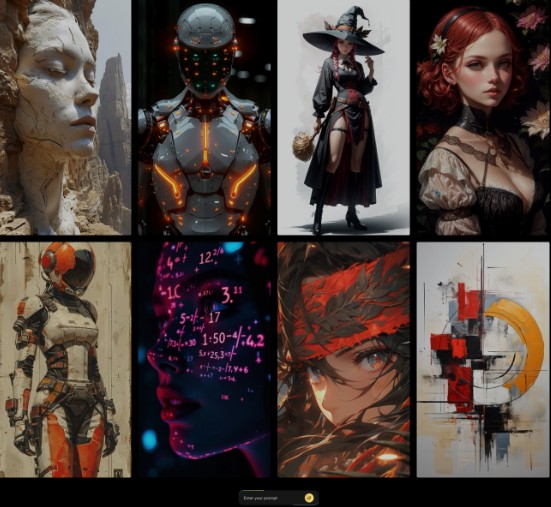
Describe one subject, one place, and one ridiculous action. For the laundry joke, you could imagine a desk chair sitting behind a reception counter while clothes line up to check into a hotel. The Nano Banana AI image-generation and reference-editing options can help explore such an invented scene. If you use your own room as a reference, decide which elements should remain recognizable and which may become cartoonish.
Do not ask for dozens of tiny signs and sentences inside the image. Leave enough uncluttered space for the actual caption, then add and proofread the words in your normal editing process. If the first picture includes stray objects that weaken the joke, simplify the visual direction rather than piling on further instructions
Compare the result with the original sentence. Does the scene make the punchline clearer, or is it merely more elaborate? When a simple photograph of the chair tells the story, you can stop there.
Match the Caption to the Type of Surprise
Changing just a few words can turn the same picture into a different joke. Before publishing, decide whether the humor comes from contrast, overconfidence, or an object behaving like a person.
| Type of surprise | Caption approach | Sample direction |
| Expectation versus reality | Put the promise before the image | “Today I become organized” |
| Object with personality | Let the object speak | “This chair accepts all donations” |
| Tiny problem, huge reaction | Understate the disaster | “A minor scheduling issue” |
| Inside joke | Use one shared phrase | The line your group already says |
Avoid a caption so long it explains why the joke should be funny. If the audience needs to know a private nickname, include one clue without publishing a whole conversation. Your friends can enjoy the inside reference while strangers still understand the visual contradiction.
Send the Draft to One Person Before Posting It Everywhere
Show the finished meme to someone who knows the incident but has not seen the image. Do they laugh at the intended moment, or do they ask which object matters? That response is more useful than staring at your own draft for another hour. Ask what they noticed first and whether a line can be removed.
Then try a second test with someone who does not know the story. If they understand the setup but not the private punchline, decide whether the meme is meant for the group chat or a wider audience. Not every joke needs universal reach. Some of the funniest ones are valuable precisely because four people know what the chair means.
Check the image at phone size, where small details and elaborate text may vanish. If the main character disappears into the background, simplify the composition. A meme does not need to look expensive; it needs to read quickly.
Keep the Joke From Turning a Person Into a Target
There is a difference between laughing about a shared mishap and making an unwilling friend the punchline. Ask before using someone’s photograph, private messages, or embarrassing details in a public meme. You can often keep the humor by replacing the person with a fictional object or changing the setting. The joke about the laundry chair does not need a photograph of your roommate asleep beside it.
Avoid copying another creator’s complete caption or presenting a fabricated event as a real person’s behavior. A familiar meme format can be a starting point, but the small observation should be your own. If you use a transformed photograph, check that it does not create an accusation or misleading situation.
Keep a note of funny phrases from daily life, with private details removed. Those lines are a better source for future posts than trying to reproduce somebody else’s viral joke word for word.
Conclusion
A memorable meme can begin as one message about a chair, a kitchen disaster, or an uncooperative drawer. Write the actual incident first, choose one exaggeration, and decide whether the picture or the caption delivers the twist. Use visual generation to sketch an imaginary setup, not to replace the joke or embarrass someone. Test the result on a phone and, when appropriate, with a friend. Next time an ordinary day produces an unexpectedly funny sentence, save it before searching for a template. The original material may already be enough.