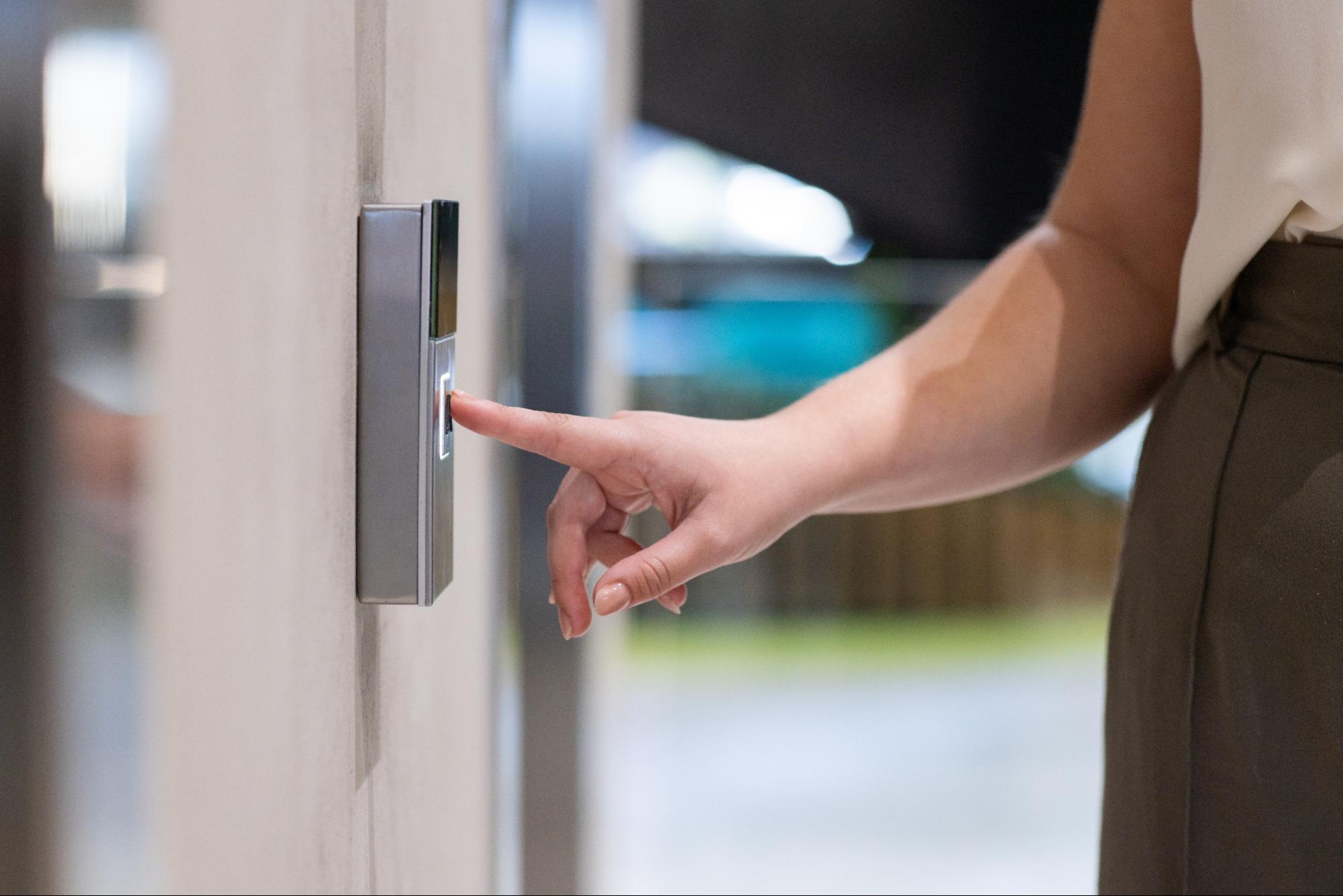
Managing who can enter a building is an important part of maintaining a secure and organized workplace. Traditional locks and physical keys have served businesses for decades, but they can become difficult to manage as organizations grow. Lost keys, employee turnover, restricted rooms, multiple entrances, and changing access requirements can quickly make conventional locking systems inconvenient.
Modern door access control systems provide businesses with a more flexible approach to entry management. Instead of relying entirely on physical keys, organizations can use electronic credentials to determine who is allowed through particular doors and when that access is permitted. This creates a practical balance between security and everyday convenience.
Moving Beyond Traditional Keys
Physical keys offer a simple form of access, but they provide limited control once they are distributed. To ensure security, a company may need to repair locks or provide new keys if an employee misplaces a key or departs without returning it.
Electronic access makes credential management easier. Depending on the system, employees may enter using cards, key fobs, PIN codes, mobile credentials, or other authorized methods. When someone no longer requires access, their credential can usually be deactivated without changing the physical lock for everyone else.
This makes entry management particularly useful for workplaces where employees, contractors, cleaners, vendors, and other authorized individuals need different levels of access.
Creating Different Levels Of Building Access
Not every employee needs permission to enter every part of a facility. A receptionist may need access to general office areas, while only selected personnel should be able to enter server rooms, inventory areas, laboratories, management offices, or spaces containing sensitive information.
Door access control systems allow organizations to establish permissions according to roles and responsibilities. Access can also be limited according to schedules. For example, an employee may be authorized to enter during regular working hours while managers or security personnel receive broader access.
This approach allows businesses to create security boundaries without unnecessarily interfering with normal workplace movement.
Improving Visibility Into Entry Activity
One limitation of a traditional lock is that it generally cannot provide information about who used it. Electronic access technology can offer greater visibility by maintaining records of credential activity.
Depending on the configuration, administrators may be able to review when a credential was used, which entry point was accessed, and whether an attempted entry was accepted or denied. Such information can be valuable when investigating unusual activity or reviewing internal security procedures.
For businesses evaluating door access control systems, this ability to combine controlled entry with clearer oversight can be especially useful for offices, warehouses, healthcare environments, educational facilities, retail operations, and other commercial properties.
Making Daily Entry More Convenient
Better security does not necessarily have to make entering a workplace more complicated. A thoughtfully planned system can actually make everyday access easier for authorized users.
Employees do not need to carry several different physical keys for separate rooms. Instead, one approved credential may provide access to all areas relevant to their position. Administrators can manage permissions without repeatedly distributing and collecting sets of keys.
This can be particularly helpful for facilities with several departments, buildings, floors, or entry points. Centralized management gives organizations a more consistent way to control access throughout the property.
Responding More Quickly To Security Changes
Workplace access requirements rarely remain unchanged. Employees join or leave, responsibilities change, temporary contractors arrive, departments relocate, and operating schedules evolve.
Modern access control makes it easier to respond to these changes. Permissions can be adjusted when responsibilities change rather than waiting for physical security hardware to be replaced. Temporary access may also be assigned when someone needs permission for only a limited period.
Faster adjustments can reduce the possibility of outdated credentials continuing to provide unnecessary access.
Supporting Security Across Growing Facilities
Scalability is another important consideration for expanding businesses. A company may initially need controlled access at only a few important entrances but later decide to secure additional rooms, floors, or buildings.
A properly selected access control system can support this growth. Businesses can plan security around their current requirements while considering potential future expansion. This reduces the need to rethink the entire entry strategy whenever the organization adds another controlled area.
Access technology may also form part of a broader physical security strategy alongside surveillance cameras, alarm systems, intercoms, and visitor management procedures.
Planning Access Around Real Workplace Needs
Technology alone does not determine whether an entry management strategy will be effective. Businesses should first consider how people actually move through the property.
Important questions include which entrances experience the most traffic, which areas contain valuable assets, who requires after-hours access, and where visitors or contractors are permitted to go. Understanding these patterns helps organizations determine where controlled doors are most valuable and what permissions should apply.
Regularly reviewing access rights is equally important. Employees should have the permissions necessary for their responsibilities without retaining unnecessary access indefinitely.
A Smarter Approach To Building Entry
Modern door access control systems give organizations greater flexibility in deciding who enters their facilities and which areas they can access. Electronic credentials, adjustable permissions, activity records, and centralized management can address many of the limitations associated with traditional keys.
When access controls are planned around actual workplace needs, businesses can create an entry environment that is easier to manage while strengthening protection for employees, property, information, and restricted spaces. As facilities and teams evolve, adaptable access management can provide a practical foundation for a more organized approach to physical security.