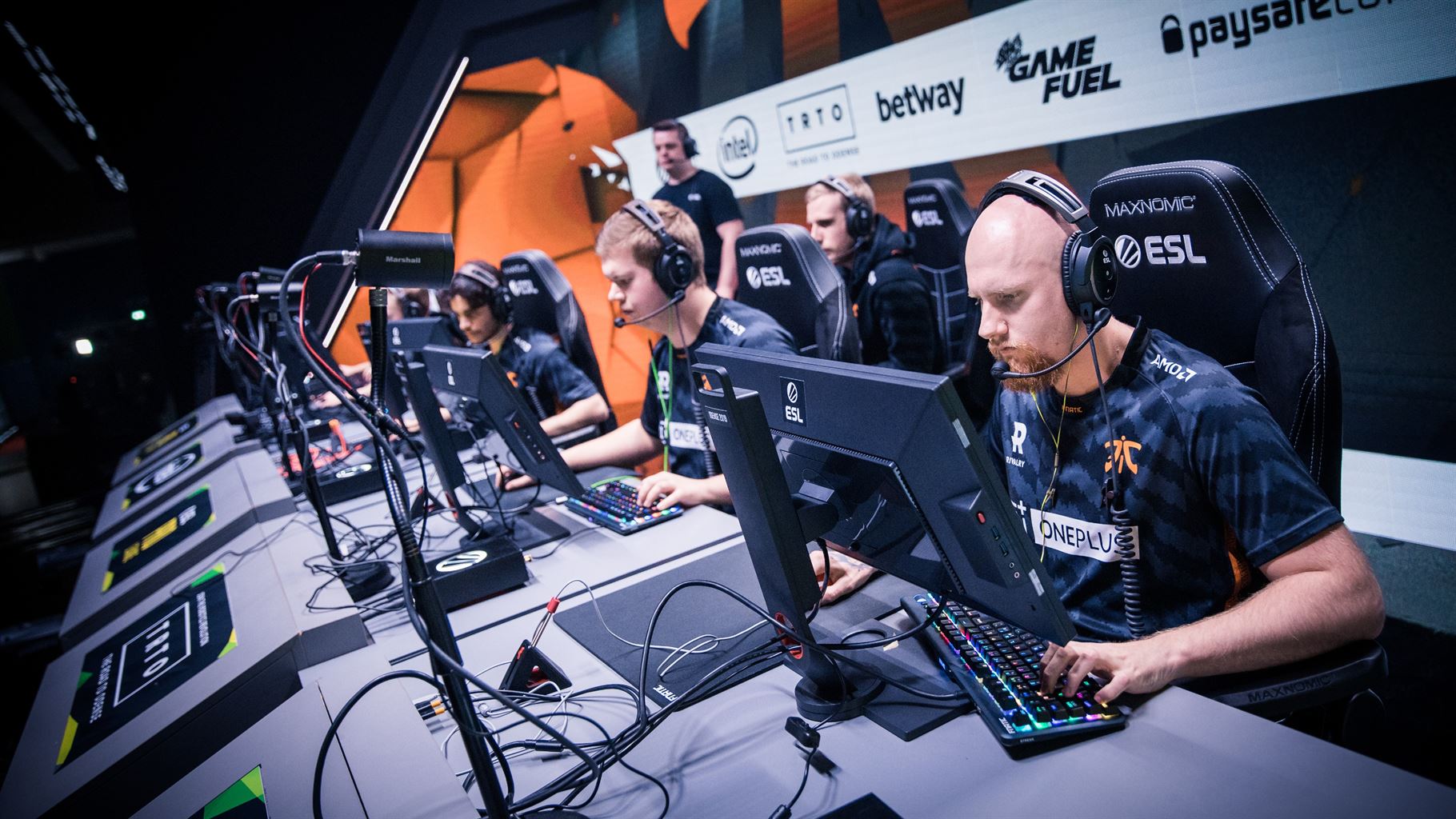
Building a competitive team roster in CS2 is a complex process that combines skill assessment, player roles, and strategic synergy. Unlike casual gameplay, professional esports requires teams to carefully select and balance their lineup to optimize performance in tournaments. Understanding how CS2 teams are formed helps fans and aspiring players grasp the competitive landscape better. This article will explore the essential steps and considerations involved in assembling a successful CS2 roster, shedding light on the intricate mechanics behind team success. The process is influenced by evolving meta-game strategies, individual player growth, and the shifting landscape of competitive esports, making roster formation a dynamic and ongoing challenge. Additionally, roster formation is not only about the present but also about planning for future events and adapting to potential meta shifts or rule changes introduced by tournament organizers.
The importance of player roles in CS2 team formation

Each CS2 team relies on players filling specific roles, such as entry fragger, support, lurker, in-game leader (IGL), and AWPer. These roles define the responsibilities and playstyles required from each player during matches. For example, an entry fragger is usually the first to engage in combat, opening space for the team, while the IGL focuses on strategy and communication. When forming a roster, coaches and managers analyze player strengths and preferences to ensure that all roles are covered efficiently. Balancing these roles is crucial for team cohesion and success. Moreover, these roles must evolve as the game’s meta shifts, requiring players to adapt their tactics and skills. Successful teams often have players who can flexibly take on multiple roles when needed, which adds depth and unpredictability to their gameplay. This versatility allows teams to adjust strategies mid-match and maintain a competitive edge over opponents.
The recruitment and selection process

Finding the right players for a CS2 roster involves scouting talent through various channels, including online ranked games, amateur tournaments, and recommendations from existing professionals. Many teams use tryouts to evaluate candidates’ individual skills, teamwork, and attitude. It is also common for organizations to rely on analytics and performance data to make informed decisions. This rigorous selection process aims to build a roster that not only performs well individually but also meshes together as a unit. Additionally, psychological factors such as a player’s mindset, communication style, and ability to handle high-pressure situations are critically assessed to ensure they can thrive in a competitive environment. Teams often conduct background checks and interviews to guarantee a player’s professionalism and compatibility with existing members. Furthermore, maintaining a good reputation within the esports community is essential, as it often influences recruitment opportunities and potential partnerships.
In the highly competitive environment of CS2, it is essential to keep track of emerging talents and roster changes. A reliable resource to stay updated on current cs2 teams and player lineups is available at cs2 teams, which offers comprehensive information on team compositions and player transfers. This platform also provides insights into the latest trends in roster changes and player performances, making it an invaluable tool for fans and professionals alike. Access to such detailed and up-to-date information allows organizations to make quicker, smarter decisions and helps fans follow their favorite teams’ developments in real-time.
Chemistry and synergy: more than just skill
While individual talent is vital, successful CS2 rosters depend heavily on team chemistry and communication. Players must adapt to each other’s playstyles and develop trust to execute coordinated strategies effectively. Teams often spend significant time practicing together to build this synergy. Sometimes, a group of less individually skilled players can outperform a team of stars if their teamwork is superior. Therefore, roster decisions are not only about signing star players but also about fostering a harmonious team environment. The emotional and mental compatibility among players significantly affects in-game decision-making and resilience during stressful moments. Regular team-building activities outside of the game also play a role in strengthening interpersonal relationships and maintaining motivation throughout the long and demanding competitive season. Positive communication and conflict resolution skills are often key indicators of how well a team will perform under pressure.
The role of coaches and management in roster building
Behind every well-functioning CS2 team, there is often a dedicated coach and management staff. Coaches analyze gameplay footage, devise tactics, and help players improve their skills and communication. They also play a key role in identifying roster weaknesses and advising on potential transfers or replacements. Management handles contract negotiations, player wellbeing, and logistics, ensuring the team can focus on performance. This support system is critical for maintaining roster stability and achieving long-term success. Moreover, coaches often serve as mental coaches, helping players manage stress and maintain peak performance. Management also monitors player health and work-life balance, recognizing that physical and psychological wellness directly impacts gameplay. This holistic approach is vital in the modern esports industry where burnout is a significant concern. Additionally, a strong management team facilitates sponsor relations and media interactions, further supporting the team’s growth and visibility in the esports ecosystem.
Conclusion
Forming a CS2 team roster is a multifaceted process that involves much more than assembling skilled players. It requires a deep understanding of player roles, a careful recruitment strategy, and fostering strong team chemistry. Coaches and management further enhance roster quality by supporting both strategic and personal development. As CS2 continues to grow in the esports scene, mastering roster formation remains a fundamental aspect of building championship-winning teams. Fans and aspiring players alike benefit from recognizing the complexities behind the teams they watch and support. Ultimately, successful roster formation blends data-driven decisions, human insight, and ongoing adaptation to an ever-changing competitive landscape. A well-constructed roster is a foundation upon which great teams build their legacy and inspire future generations of players.