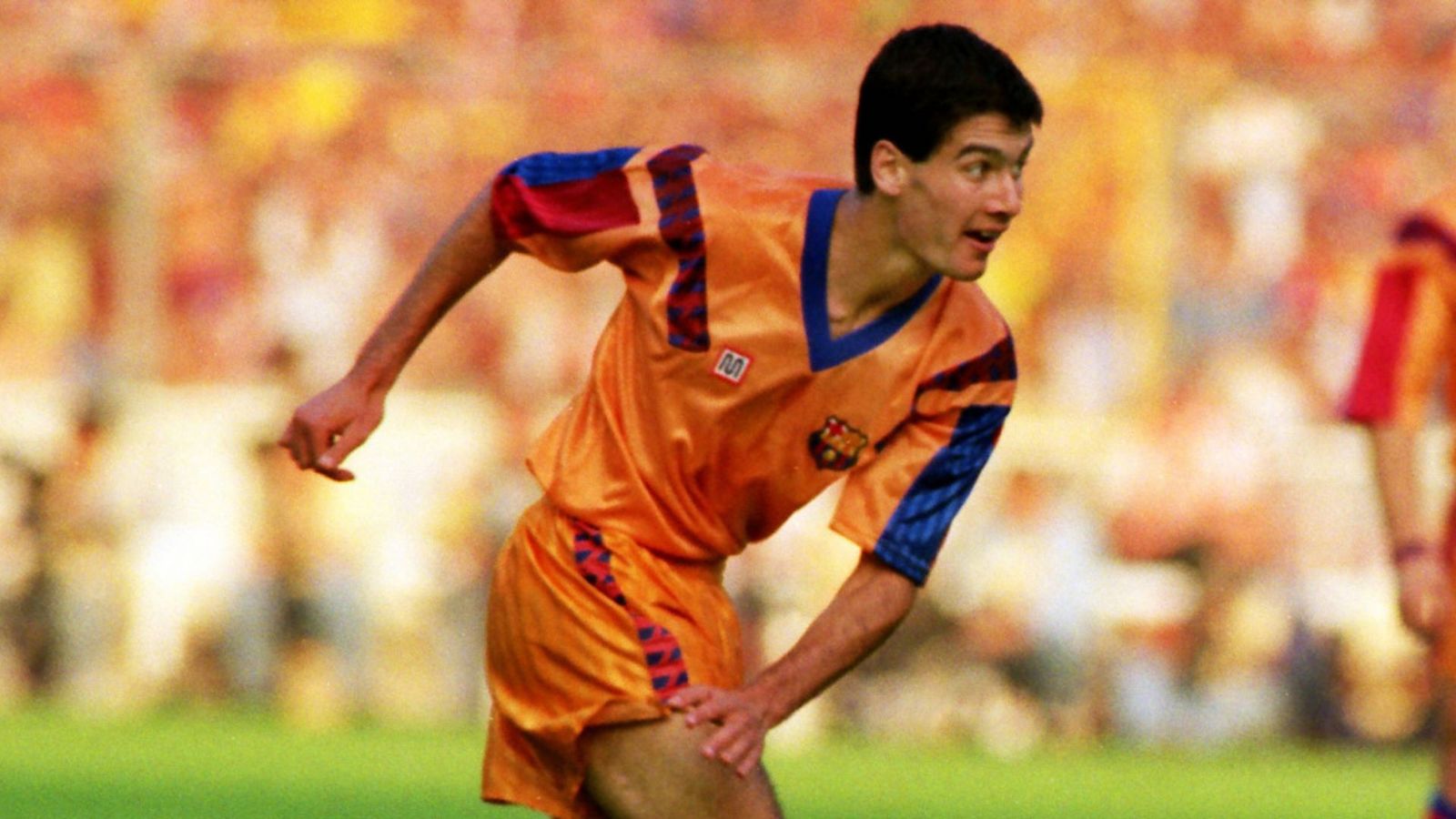
Pep Guardiola is one of football’s greatest modern managers, admired for his tactical intelligence, leadership, and relentless pursuit of perfection. Yet the story of who he is today cannot be understood without looking back at his childhood. His early life laid the foundations of discipline, resilience, and creativity that would later define his career both as a player and a coach.
Exploring Guardiola’s childhood reveals the roots of his footballing philosophy and personal values. From his family upbringing in Catalonia to his early days in local football, from his entrance into La Masia to the challenges he faced as a young athlete, every chapter shaped the man who would one day become a global icon.
To understand Pep Guardiola today, we must first return to Santpedor, where his story began.
Family Roots and Upbringing in Santpedor
Pep Guardiola was born in Santpedor, Catalonia, Spain, on January 18, 1971. He grew up in a modest family with strong values. His father, Valenti Guardiola, worked as a bricklayer, and his mother, Dolors Sala, provided a supportive and nurturing home environment.
Life in Santpedor was simple, but it was filled with lessons in humility and perseverance. Guardiola learned early the importance of hard work and responsibility, values that would follow him throughout his football journey. His siblings, Pere and Francesca, also shaped his sense of family and teamwork.
The deep connection with his hometown and family instilled in Guardiola a grounded personality. This upbringing would influence how he approached challenges later in life, always carrying with him the resilience of his roots.
Early Passion for Football
Even as a child, Guardiola showed an exceptional passion for football. He could often be found kicking a ball in the streets of Santpedor, spending hours refining his skills with makeshift goals.
This early passion mattered because it revealed a drive that went beyond play. Football quickly became his language of expression and his dream for the future. While other children might have played casually, Guardiola dedicated himself to improving day by day.
His determination at such a young age signaled what was to come: a boy destined to grow into a leader who would see football not just as a sport but as a way of life.
Local Football Environment in Catalonia
Guardiola’s development was supported by the vibrant football culture of Catalonia. During the late 1970s and early 1980s, the region had a thriving community of local clubs and youth programs. Football was not just entertainment; it was a cultural identity, especially tied to Catalan pride and local traditions.
This environment gave Guardiola both opportunities and challenges. Surrounded by passionate fans, aspiring players, and a competitive atmosphere, he found a natural place to grow his love for the game.
Community and Local Clubs
Local clubs and community support were vital in shaping Guardiola’s early years. He played for small neighborhood teams before being noticed by scouts who recognized his intelligence and vision on the ball. The community aspect was just as important as the sport itself—it taught Guardiola the value of teamwork, responsibility, and collective identity.
This grassroots foundation prepared him for the next big step in his life: joining Barcelona’s prestigious youth academy.
Joining La Masia – Barcelona’s Youth Academy
The turning point in Guardiola’s childhood came when he joined La Masia, Barcelona’s legendary youth academy. This was more than just a football school; it was an institution designed to nurture talent while instilling discipline, identity, and values.
At La Masia, Guardiola learned not only technical skills but also how to read the game, understand tactical systems, and develop leadership qualities. Living away from home was a challenge, but it was here that his character was shaped into that of a professional.
The experience provided him with discipline, resilience, and a deep sense of identity—qualities that remain evident in his coaching style today.
Early Coaches and Mentors
Several coaches and mentors guided Guardiola in these formative years. They recognized his strengths—not as a physically dominant player, but as someone with intelligence, vision, and determination. Sequentially, their guidance reinforced his natural instincts, shaping him into a midfielder who thought strategically rather than relying solely on athleticism.
These mentors’ influence can still be seen in Guardiola’s approach as a manager: tactical depth, discipline, and the ability to inspire others to see football as an art form.
Challenges and Sacrifices in His Youth
Guardiola’s path to success was not free of obstacles. He faced sacrifices that tested his resilience. Moving away from his family to pursue football meant enduring homesickness, strict routines, and the pressure of proving himself against equally talented peers.
Conditional challenges also appeared: if he wanted to succeed, he had to balance education with football, personal sacrifices with professional demands. The path required unwavering focus and determination, leaving little room for distractions.
These challenges did not break him—they hardened his resolve. They became the driving force behind his work ethic and his relentless pursuit of excellence as both a player and later as a coach.
Personality Traits Shaped by Childhood
The experiences of Guardiola’s childhood shaped his personality traits in ways that defined his career. Growing up in modest surroundings fostered humility. Facing sacrifices developed resilience. Early exposure to teamwork instilled leadership.
These traits can be described through key adjectives: disciplined, thoughtful, balanced, and determined. They formed the foundation of his future coaching philosophy, where preparation, detail, and mental strength became essential.
Without the lessons of his youth, Guardiola might not have become the meticulous and inspiring leader we know today.
Cultural Identity and Catalan Pride
Another central element of Guardiola’s childhood was his Catalan identity. Growing up in Catalonia, during a period of cultural and political assertion, gave him a deep sense of belonging and pride. For Guardiola, being Catalan was not just a geographic fact—it was an identity rooted in history, language, and culture.
This cultural pride continues to influence him. Whether in his football philosophy, his professional choices, or his public statements, Guardiola consistently reflects his roots. The co-occurrence of Catalan identity with his football career shows how deeply connected personal and cultural values are in shaping leaders.
Conclusion – Pep Guardiola’s Childhood Legacy
Pep Guardiola’s childhood was more than just the beginning of his story—it was the foundation of everything that followed. From his family roots in Santpedor and his early passion for football, to the nurturing environment of Catalonia and his life-changing experience at La Masia, every element contributed to the person he became.
The sacrifices of youth forged his resilience. The mentors he encountered shaped his footballing intelligence. His Catalan pride gave him a strong cultural identity. Together, these influences created the leader, thinker, and football icon we admire today.
For those who wish to explore more about football stories and the lifestyle surrounding it, there are exciting platforms to continue the journey. Fans can enjoy both sporting updates and broader entertainment at ยูฟ่า 747, while those looking for variety can experience the thrill of คาสิโนออนไลน์ UFA747, where sports passion meets complete leisure experiences.