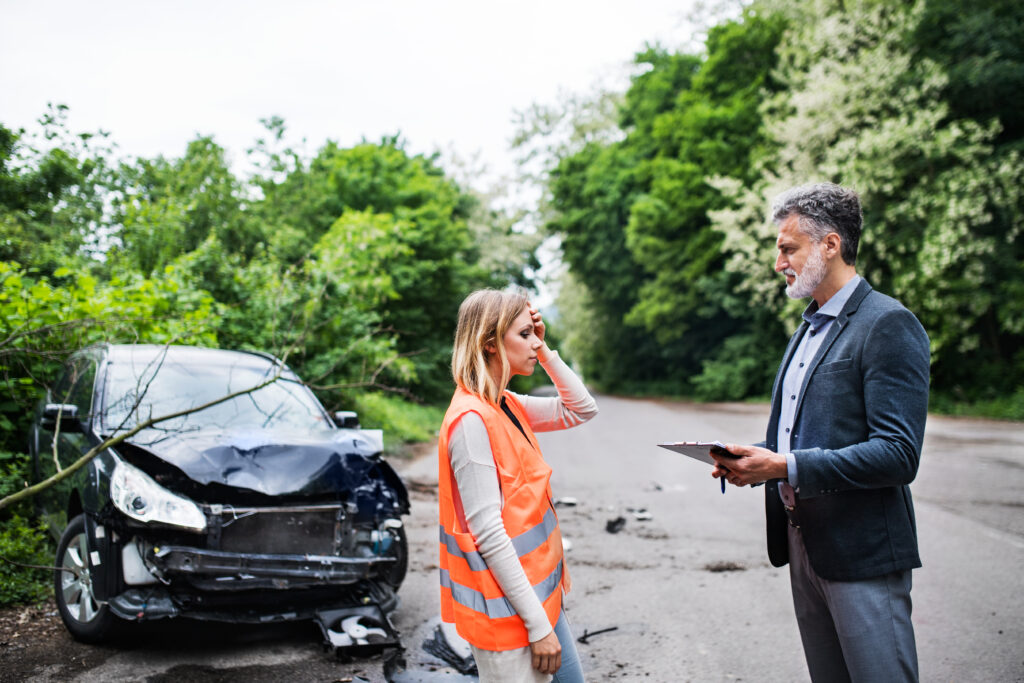
A car crash can change an ordinary day in seconds. One light turns green, one driver looks down, one truck cuts across a lane—and then everything feels loud, sharp, and confusing. For many crash victims in Houston, the first thought is simple: What just happened? The next thought comes fast: Who caused this? That second question matters because fault controls almost every part of a claim. Medical bills, lost pay, car damage, future care—all of it often turns on proof. And when reckless driving is involved, proof becomes even more important. A reckless driver is not just careless. The law usually looks for conduct that shows a clear lack of concern for safety. Speeding hard through traffic. Running lights. Racing. Tailgating in heavy rain. Swerving while texting. Small choices stack up, and then someone gets hurt. That is where legal work begins. Law firms like Schechter, Shaffer & Harris, LLP – Accident & Injury Attorneys often start building the case before the road is even cleared.
Contents
- 1 So what counts as reckless, really?
- 2 The first hours matter more than most people think
- 3 Police reports help, but they do not finish the job
- 4 Witnesses often change weak claims into strong ones
- 5 Cars now tell stories too
- 6 Phone records can quietly expose distraction
- 7 Why crash experts sometimes matter
- 8 Insurance companies often resist reckless driving claims
- 9 Small details that unexpectedly matter
- 10 Medical records also help prove road behavior
- 11 Timing matters more than most people expect
- 12 FAQs About Proving Reckless Driving After a Houston Crash
- 13 1. Can reckless driving be proven without video?
- 14 2. Does a speeding ticket automatically prove fault?
- 15 3. How soon should a lawyer start gathering evidence?
- 16 4. What if both drivers share blame?
- 17 5. Why hire a law firm for a reckless driving claim?
So what counts as reckless, really?
Not every crash comes from reckless driving. Some crashes come from simple mistakes. A missed mirror check. A slow brake reaction. A blind turn. Reckless driving usually shows more than that. Think of it like this: spilling coffee while walking is careless. Throwing hot coffee while running through a crowd shows a bigger disregard for people nearby. On the road, reckless acts often include:
- Driving far above the speed limit
- Weaving through lanes
- Ignoring stop signs
- Passing in unsafe spots
- Driving while distracted for long periods
- Street racing
In Texas, these facts help lawyers show that the driver did more than make a minor error. And that difference can raise claim value because insurers often react differently when the facts look serious.
The first hours matter more than most people think
A crash scene fades quickly. Skid marks disappear. Cars get repaired. Cameras overwrite footage. Witnesses forget details. That is why lawyers move fast. Many victims call family first, then insurance, then maybe a doctor. That makes sense. Still, legal proof can weaken each day you wait.
A lawyer may request:
- Police reports
- Traffic camera footage
- Dashcam files
- Nearby business video
- Vehicle damage photos
- Phone records
Some intersections in Houston have heavy camera coverage. Others do not. A nearby gas station or store often becomes more useful than expected. Funny enough, a bakery camera across the street has helped prove lane violations in more than one case. Real life works like that.
Police reports help, but they do not finish the job
People often assume the police report settles fault. It helps, yes. It does not decide everything. An officer arrives after the impact. They did not see the crash happen.
The report may note:
- Driver statements
- Road marks
- Damage angles
- Tickets issued
- Road conditions
If one driver gets cited for speeding or running a red light, that supports the claim. Still, insurers often push back. They may say the report is incomplete. They may argue both drivers share blame. That is why lawyers build beyond the report.
Witnesses often change weak claims into strong ones
A stranger at a crosswalk may notice what drivers miss. Witnesses often remember simple but strong facts:
- “He never slowed down.”
- “She crossed two lanes.”
- “The light was red.”
That kind of plain language matters because juries trust details that sound natural. Good lawyers contact witnesses early. A short delay can mean a lost phone number, a moved address, or fading memory. And honest witnesses do not always sound polished. That is actually helpful. Real speech often sounds uneven. Real memory comes in pieces.
Cars now tell stories too
Modern cars store data. That surprises many people.
Crash data systems may show:
- Speed before impact
- Brake timing
- Steering input
- Seatbelt use
- Throttle position
This is often called black box data. A lawyer may work with a crash expert to read it before repairs destroy that record. That data can answer hard questions fast.
Did the driver brake?
Did they speed up?
Did they turn too late?
Machines do not solve every dispute, but they cut through excuses.
Phone records can quietly expose distraction
A driver says, “I never touched my phone.” Then records show a text sent seconds before impact. That changes tone fast. Phone records may help prove reckless attention loss, especially when paired with witness accounts or traffic footage. Not every distracted act counts as reckless. A brief glance is one thing. Long distraction in moving traffic looks much worse. And juries understand that because almost everyone has seen someone drift in traffic while staring down. Honestly, most people recognize that behavior before lawyers even explain it.
Why crash experts sometimes matter
Some cases look obvious until both sides disagree. That is when accident experts step in.
They study:
- Vehicle angles
- Crush damage
- Tire marks
- Road slope
- Signal timing
Then they rebuild the event.
A crash expert can explain why a vehicle hit at one angle instead of another. They may show a driver had time to stop but failed to act. It sounds technical, but good experts explain it like everyday physics—like showing why a shopping cart rolls harder downhill. Clear explanations win trust.
Insurance companies often resist reckless driving claims
Here is the part many people do not expect: insurers often resist hardest when fault looks clear.
Why?
Because stronger proof often means larger payment risk. They may question injury timing. They may argue prior medical issues. They may suggest the victim reacted poorly too. That does not mean the claim is weak. It means the claim matters. Schechter, Shaffer & Harris, LLP – Accident & Injury Attorneys prepares for that push early. This is why many people search for a Houston personal injury lawyer before speaking too much with adjusters. The legal side needs shape before statements start drifting.
Small details that unexpectedly matter
Sometimes the smallest fact carries the case. A coffee lid on the floor. A torn bumper edge. A timestamp from a nearby car wash receipt. These details can place people exactly where they claimed to be—or prove they were not there at all. That sounds minor, but small facts often fit together like puzzle corners. One fact alone rarely wins a claim. Ten ordinary facts often do.
Medical records also help prove road behavior
At first that sounds odd. Why would injury records help show reckless driving? Because injury type often matches impact style. A side crash at high speed may produce very different injuries than a slow rear tap. Doctors do not assign fault, but records help support crash force. That makes exaggerated defense arguments harder to hold.
Timing matters more than most people expect
Texas deadlines matter. Delay weakens access to proof. Video disappears first. Witness memory fades next. Vehicle repairs erase clues after that. Even if a victim feels unsure, early legal practice review protects options. Waiting often helps the other side more than it helps you. That is just how crash evidence behaves—it fades quietly.
FAQs About Proving Reckless Driving After a Houston Crash
1. Can reckless driving be proven without video?
Yes. Video helps, but it is not required.
Witness statements, police notes, black box data, and damage patterns often build strong proof together. Many solid cases succeed without camera footage.
2. Does a speeding ticket automatically prove fault?
Not fully.
A ticket supports the claim, but fault still depends on the full event. Lawyers connect the ticket with road facts, impact points, and witness detail.
3. How soon should a lawyer start gathering evidence?
As soon as possible.
Video files can vanish in days. Cars get repaired fast. Early action protects proof that may never return.
That can still allow recovery in Texas.
State rules may still permit payment if the injured person holds less than half the blame. Exact percentages matter a lot.
5. Why hire a law firm for a reckless driving claim?
Because proof takes work.
A firm like Schechter, Shaffer & Harris, LLP – Accident & Injury Attorneys knows how to secure records, question weak insurer claims, and present facts clearly.
When reckless driving causes harm, the case is not only about what happened. It is about what can still be shown—and shown clearly enough to matter.