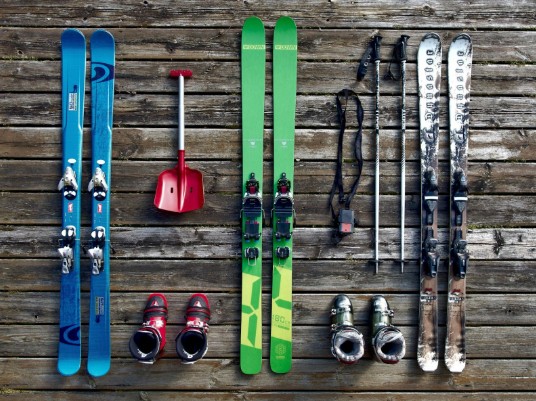
Your first day skiing can feel like a curious mix of excitement and uncertainty. You see confident skiers carving smooth arcs and assume there’s a secret language you missed. In reality, beginners all start in the same place: figuring out how to stand, slide, stop, and stay comfortable long enough to learn.
Before you even click into bindings, you’ll spend time on logistics—rentals, layers, lift tickets, and basic orientation. In those in-between moments, when you’re waiting for a boot fitting or watching snow fall outside the lodge window, it can be tempting to distract yourself with something like an aviator game online, but you’ll enjoy the day more if you use that time to hydrate, stretch lightly, and mentally commit to learning at a beginner’s pace.
Contents
- 1 Before You Arrive: Set Yourself Up for a Better Day
- 2 Rentals and Gear: What Matters (and What Doesn’t)
- 3 Your First Lesson: What It Usually Feels Like
- 4 The Core Skills: Balance, Stopping, and Turning
- 5 Falling, Fear, and Fatigue: The Hidden Curriculum
- 6 Slope Etiquette and Safety: How to Be a Good First-Timer
- 7 How to Enjoy the Day: A Simple, Realistic Plan
- 8 After Your First Day: What Progress Looks Like
Before You Arrive: Set Yourself Up for a Better Day
A first ski day is not just a sports session; it’s also an exposure to cold, altitude, and unfamiliar equipment. That combination can overwhelm people who are otherwise athletic. The most reliable way to enjoy skiing quickly is to reduce “friction” in the experience.
Start with clothing strategy. Aim for breathable layers rather than bulky insulation. You want to stay warm without overheating, because sweat becomes cold the moment you stop moving. Bring gloves or mittens, a neck covering, and eye protection. If you wear glasses, consider how they’ll work with goggles or choose sunglasses with good coverage. Pack a small snack and water; beginners burn energy through repeated short efforts, and hunger can feel like frustration.
Finally, accept that your first day is about foundations, not speed. Skiing has a steep early learning curve: your brain and body are learning balance on a sliding surface, which is fundamentally different from walking or running.
Rentals and Gear: What Matters (and What Doesn’t)
Rental gear can look intimidating, but it’s designed to be forgiving. Boots will feel stiff—this is normal. A good boot fit is snug without sharp pain. If your toes are crushing or your heel lifts dramatically when you flex forward, speak up. Comfort matters because pain hijacks attention, and attention is your most valuable resource on day one.
Skis for beginners are typically shorter and easier to turn. Poles may be optional in many first-time lessons; learning to balance and stop often comes first. The most important “gear” decision is actually your helmet: wear one and keep it properly fastened.
A practical mindset: your equipment is a tool, not a performance statement. Beginners who worry about looking competent often tense up—tension makes turning and stopping harder.
Your First Lesson: What It Usually Feels Like
A structured lesson is the fastest path to enjoyment because it replaces uncertainty with a sequence. Most instructors start by building familiarity: how to carry skis, how to click in and out, how to stand up after a fall, and how to shuffle on flat snow. These are not trivial details; they prevent small problems from turning into exhausting setbacks.
Expect to spend a surprising amount of time on gentle terrain. That is by design. Learning happens when the slope is easy enough that you can focus on movement patterns rather than survival instincts. If you start on a steep hill too early, you’ll likely resort to defensive habits—leaning back, stiffening your legs, and avoiding turns—because your brain prioritizes self-protection.
A good lesson also includes short rest breaks. Beginners often think breaks signal weakness, but breaks are strategic: they reset attention and reduce sloppy technique caused by fatigue.
The Core Skills: Balance, Stopping, and Turning
Analytically, beginner skiing is about managing pressure through your feet while keeping your center of mass stable over a moving base. You don’t need to memorize physics, but it helps to understand a few cause-and-effect relationships.
1) Athletic stance
You’ll hear cues like “knees and ankles flexed” and “hands in front.” The goal is a centered stance that allows you to steer. If you lean back, skis feel uncontrollable because the front edges can’t engage effectively.
2) Controlled stopping
Most beginners learn a wedge (often called a “pizza” shape). While it can look simple, it’s a real technique: pushing the ski tails outward increases friction and reduces speed. The critical nuance is to avoid locking your legs. Gentle, controlled pressure works better than brute force.
3) Turning as speed control
On your first day, turning isn’t about style—it’s about managing speed by changing direction. Turning across the slope reduces acceleration and gives you time to adjust. Many beginners make the mistake of aiming straight downhill and then panicking; instead, learn to steer early and often.
Falling, Fear, and Fatigue: The Hidden Curriculum
Falls are part of skiing, but the emotional response to falling is what shapes your day. Many first-timers carry an unspoken belief that falling means they are “bad at it.” In truth, falling is feedback. The productive question is, “What happened right before I lost balance?” That mindset keeps you learning rather than spiraling.
Fear is also data. If you feel anxious, it usually means the slope is too steep for your current skill or you’re moving too fast to process technique. The fix is not “try harder.” The fix is to reduce the challenge: return to gentler terrain, slow down, and rebuild confidence with repeatable stops and turns.
Fatigue appears earlier than people expect because skiing uses stabilizing muscles continuously. Take short breaks before you feel depleted. Eating a snack and drinking water can restore patience as much as energy.
Slope Etiquette and Safety: How to Be a Good First-Timer
Ski areas work because people follow a few simple norms:
- Look uphill before starting. Others may be moving faster than you expect.
- Stop where you’re visible. Avoid stopping just below a crest or in narrow passages.
- Give space. Beginners make unpredictable movements; extra room benefits everyone.
- If you fall, recover calmly. Move to the side when safe, then get organized.
Safety also means choosing terrain that matches your skill. There is no prize for tackling a difficult run early. The best skiers are often the most selective about when and where they push their limits.
How to Enjoy the Day: A Simple, Realistic Plan
Enjoyment comes from small wins stacked close together. Build a day around progress you can feel:
- Start easy and repeat. Pick a gentle area and do several short runs rather than one long, tiring descent.
- Measure success by control, not distance. If you can stop where you intend and turn without panic, you are succeeding.
- Keep your body comfortable. Adjust layers, dry gloves if needed, and warm up indoors briefly. Comfort sustains learning.
- End on a win. Finish after a run that felt controlled, even if it’s modest. This protects confidence and makes you want to return.
After Your First Day: What Progress Looks Like
A productive first day usually ends with you tired, slightly sore, and noticeably more coordinated than when you started. You may not feel “good” yet, but you will likely feel the sport becoming more logical. The second day often feels dramatically better because your brain has had time to consolidate movement patterns.
If you want to accelerate progress, schedule another session soon—within a week or two if possible. Skiing rewards consistency. The goal is not perfection; it’s comfort with the fundamentals so you can explore the mountain with calm, controlled curiosity.