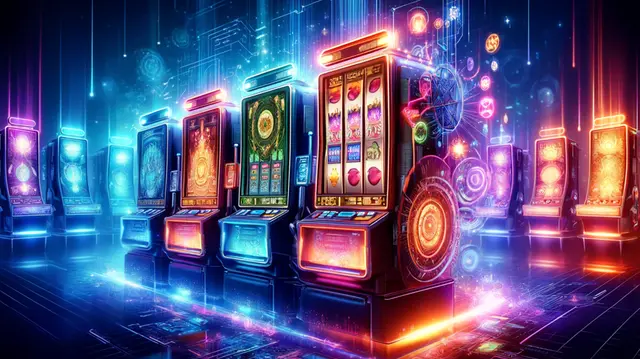
The unmistakable symphony of chiming bells, spinning reels, and the collective gasp of a nearby jackpot win is a soundscape ingrained in modern culture. Slot games, once humble mechanical devices clinking away in smoky corners of bars, have undergone a metamorphosis of epic proportions. Today, they exist as multifaceted digital experiences, a multi-billion dollar pillar of the global gaming industry, and a fascinating intersection of psychology, technology, and chance. To view them merely as “one-armed bandits” is to overlook the intricate ecosystem they inhabit.
Contents
From Liberty Bell to Digital Dominion: A Historical Spin
The journey began in 1895 with Charles Fey’s Liberty Bell, a simple three-reel machine featuring horseshoes, diamonds, spades, hearts, and the cracked Liberty Bell symbol. Its genius lay in its automatic payout mechanism for matching symbols. This mechanical marvel set the blueprint for decades. The mid-20th century introduced electromechanical slots, followed by the true revolution: the video slot in 1976. Replacing physical reels with a graphical display unleashed limitless creative potential.
The internet era catalyzed the next quantum leap. Online slots democratized access, allowing games to be played anytime, anywhere. This shift wasn’t just about convenience; it was a transformation in design philosophy. Freed from the constraints of physical components, developers could introduce complex narratives, elaborate bonus rounds, and visual spectacles rivaling animated films.
The Anatomy of a Digital Slot: More Than Meets the Eye
A modern slot game is a sophisticated software package built on a core of intricate code known as a Random Number Generator (RNG). This is the digital heart of the game, constantly generating thousands of random sequences per second, determining the outcome of each spin the moment the player presses “spin.” The fairness and integrity of this RNG are paramount, rigorously tested and certified by independent auditing agencies.
Beyond the RNG, contemporary slots are defined by several key elements:
- Themes and Narratives: Slots are no longer abstract collections of fruits and bars. They are epic adventures in ancient Egypt, thrilling safaris, voyages with pirates, or journeys through mythological realms. Licensed titles bring blockbuster movies, TV shows, and rock bands to the reels, creating instant player connection through familiar IP.
- Mathematical Models and Volatility: Each slot has a hidden mathematical blueprint defining its Return to Player (RTP) percentage and volatility. RTP, a theoretical long-term average, typically ranges from 94% to 99%. Volatility (or variance) dictates the risk profile: high-volatility slots offer larger, less frequent payouts, while low-volatility games provide smaller, more regular wins. This allows players to choose games that match their temperament and bankroll strategy.
- Bonus Features and Gamification: The base game is often just the gateway. The true excitement lies in triggered bonus rounds: free spins with multipliers, “pick-me” interactive games, expanding or cascading wilds, and progressive jackpot networks that pool a fraction of every bet across thousands of machines to create life-changing prizes. These features break monotony, increase engagement, and offer the potential for significant reward peaks.
- Audiovisual Craftsmanship: Today’s slots are feats of digital art. High-definition graphics, 3D animations, and thematic soundtracks composed by professional musicians create immersive sensory experiences. The celebratory sounds of a win are meticulously designed to trigger positive neurological responses, enhancing the feeling of excitement.
The Psychology of the Spin: Why We Play
The enduring appeal of slots is rooted in fundamental psychological principles:
- Intermittent Reinforcement: The most powerful behavioral model at play. Wins are unpredictable in both timing and size. This variable ratio schedule of reinforcement is highly resistant to extinction, meaning the behavior (spinning) persists even during long losing streaks, in anticipation of the next potential reward.
- Losses Disguised as Wins (LDWs): A unique phenomenon in multi-line betting where a spin returns less than the total wager, but is still accompanied by celebratory sounds and animations. This tricks the brain’s reward pathways, creating a positive sensation even on a net loss, encouraging continued play.
- The Illusion of Control: Features like “stop the reel” buttons or bonus games requiring a choice give players a sense of agency, even though the underlying outcome remains entirely random. This perceived control enhances engagement.
- The Zeigarnik Effect: Unfinished games or near-misses (like two jackpot symbols with the third just off the reel) create cognitive tension, a mental itch that encourages players to continue in an attempt to achieve closure.
The Double-Edged Sword: Innovation and Responsibility
The industry’s relentless innovation walks a tightrope between entertainment and potential harm. Megaways engines, for example, dynamically change the number of symbols on each reel per spin, creating hundreds of thousands of ways to win. Cluster Pays mechanics replace paylines with groups of adjacent symbols. These innovations increase excitement but also complexity.
This underscores the critical importance of Responsible Gambling. Reputable operators now integrate sophisticated tools: deposit limits, time-out periods, reality checks (pop-up notifications of session length), and self-exclusion programs. Awareness of RTP, volatility, and the understanding that outcomes are entirely random is crucial for a healthy perspective. Modern slots are designed for entertainment, not income.
The Future: VR, Skill, and Beyond
The horizon of slot gaming is being reshaped by emerging technologies. Virtual Reality (VR) slots promise fully immersive, 360-degree casino environments where players can “walk” among machines and interact with the game world in a profoundly new way. Augmented Reality (AR) could overlay slot experiences onto physical spaces.
The line between pure chance and skill is also blurring. Some new formats incorporate mini-games requiring dexterity or decision-making that influence the bonus payout, appealing to a generation raised on video games. Furthermore, the integration of blockchain technology and cryptocurrencies points toward a future of provably fair games with transparent transaction histories.
Conclusion: A Cultural Phenomenon
The slot game has evolved from a mechanical pastime into a complex digital entertainment product, a testament to human fascination with chance, narrative, and sensory stimulation. It is a field driven by cutting-edge technology, deep psychological insight, and artistic creativity. While its core remains the thrilling uncertainty of the spin, the modern slot experience is a carefully crafted journey. As with any form of entertainment involving financial risk, the key lies in informed engagement, recognizing the sophisticated design for what it is, and prioritizing responsible play. In the end, the reels will keep spinning, driven by our timeless allure for that singular moment when symbols align, and fortune, however briefly, smiles.